What Is Longevity and How Can Lactoferrin Help?
Explore the science of longevity and how to increase your healthspan. Learn how lactoferrin, a powerful protein, can support long-term health and help you live a healthier, longer life. Discover key l
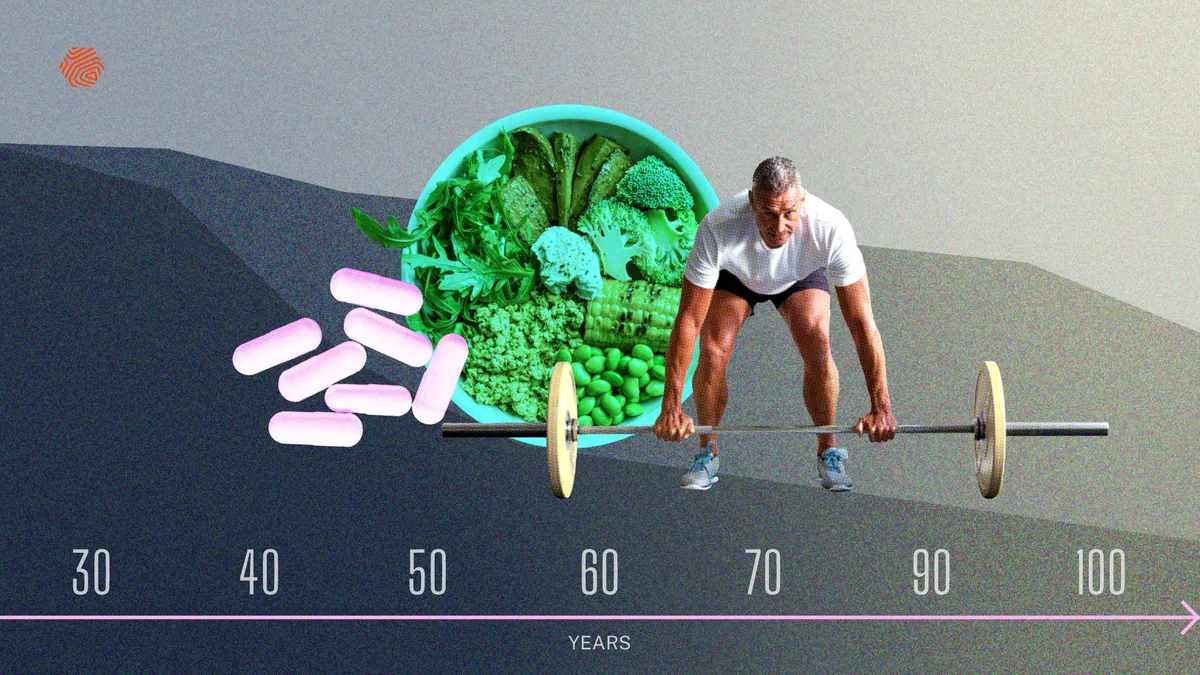
What is Longevity?
One of the most exciting advances in human health is the prospect of increasing longevity – not just increasing the span of life, but rather the length of life lived healthily. As our understanding of human biology has advanced in the past century, so has our ability to develop medical interventions to save and extend lives. The World Health Organization (WHO) cites that global life expectancy has increased by 6 years between 2000 to 2019. By 2050, the global life expectancy is estimated to increase an additional 4.5 years, leading to an average human life span of 78.1 years. And while life spans might be increasing, quality of life during those extra years has not seen the same increase, meaning that even though we are living longer, are not living healthy longer.
There’s currently a lot of buzz around the concept of longevity, but before we dive into the details, let’s talk about what longevity is versus other concepts involving quality of life and life extension. To start, longevity generally refers to the length of life lived healthily.
Life Expectancy
What is life expectancy? The term refers to how long an individual is expected to live, based on current health, gender, genetics, diet, social support, and geographical location.
Healthspan
Healthspan is a relatively new concept introduced to the science of geriatric aging. This term refers to how long an individual will live in relatively good health from birth until the end of their life. This concept encompasses the years an individual will live unencumbered by chronic diseases or disabilities associated with aging.
Longevity
In more recent discussions, longevity has been talked about in terms of extending the natural healthspan of individuals and improving the years they spend in good health. These discussions are becoming increasingly important as the life expectancy of populations in developed countries increases. More individuals will spend the greater part of their lives living with the realities of aging, with advances in medicine bringing life expectancy to 95 years and beyond. In turn, consumers look for more anti-aging solutions. In time, more longevity research, medical breakthroughs, and nutrition products will be devoted to sustaining this aging population. The hope is that we will be able to spend those latter years enjoying life rather than struggling with chronic conditions.
The Science Of Longevity
While longevity research is growing steadily in the biomedical community, there are still many mysteries around the aging process. Several leading theories have been postulated by researchers, as well as related interventions to extend life. Aging begins at the cellular level, where the ability of cells to regenerate, multiply, and remain healthy affects every organ system in the body, from our nervous system to our skin. One of the major mechanisms believed to be linked to aging is the accumulated damage to our DNA. While our cells contain systems to repair this damage, these errors in our genomic blueprints can steadily accumulate over a lifetime.
Another mechanism thought to be involved in aging is the process of our DNA shortening over time. Our DNA is normally tightly packed in genomic structures known as chromosomes, which keep the DNA stored safely until it needs to be read or copied. At the tail end of these chromosomes are random repeats known as telomeres, which are long non-coding extra base pairs that help extend the number of replications our DNA can go through. Over a lifetime, these telomeres shorten to the point that our DNA cannot continue replicating, resulting in aging. A third mechanism for the cause of aging is a combination of mitochondrial health and oxidative stress. Mitochondria produce the energy in our cells, and in the process, increase oxidative stress as a byproduct. Over an entire lifetime, the accumulated oxidative stress may cause too much damage for our tissues to properly repair. This long-term damage could lead to aging.
What Are The Major Contributors To Longevity?
With these and other theories in hand, researchers are finding new potential approaches to slow down the natural process of aging and increase longevity. While genetics plays a major role in longevity, there’s not much we can do to change our genetic makeup. So instead, we will be focusing on what we can change. There is mounting evidence that lifestyle changes and diet contribute to longevity and healthspan.
The Effect of Lifestyle and Diet
External factors such as lifestyle, diet, social and cultural environment, and other environmental factors play a major role in extending longevity. Observations of regions with high percentages of centenarians, also known as Blue Zones, demonstrate that some lifestyles and environments are much more conducive to increasing longevity. Commonalities in these regions include a greater intake of vegetables, low-stress occupations and activities, and strong bonds with community and spiritual centers. Diet especially contributes greatly to these long-lived individuals, as calorie restrictions and consumption of foods rich in antioxidants and micronutrients appear to improve the expression of genes that inhibit aging. Additionally, diet helps shape the microbiome, which controls much of the inflammation in the gut, and indirectly, the rest of the body.
Several foods, nutrients, and supplements are thought to improve longevity. Intermittent fasting has been shown to improve healthspan in preclinical models. A randomized clinical trial involving 100 volunteers found that following five-day fasting cycles once per month for three months reduced several risk factors for age-related diseases, such as diabetes, cancer, and cardiovascular disease. Similar metabolic changes in humans have been observed from calorie-restricted diets and are likely to contribute to slowing down the aging process. The consumption of polyunsaturated fats, found primarily in plant-based foods and fish, have been identified as a possible way to reduce the risk of mortality and chronic conditions associated with cardiovascular diseases.
The restriction of certain amino acids in proteins is shown to have an association has been associated with longevity, as reducing tryptophan and methionine in the diet extends healthspan. Many plant-based diets contain lower levels of methionine and tryptophan compared to animal-based diets, which may contribute to the lower incidence of mortality in individuals who consume mostly plant-based foods.
The Power of Polyphenols and Fiber
Consumption of polyphenol-rich plant-based foods, such as fruits, vegetables, tea, nuts, and cocoa, is another dietary approach that has been shown to improve longevity outcomes. Polyphenols are compounds in fruits and vegetables that help to reduce the effect of oxidative stress, working to prevent many of the issues that crop up over the years. Polyphenols can react directly with reactive oxygen species to remove these damaging molecules and limit their effect on the rest of the body. Polyphenols are also believed to interact with the gut microbiome, as these compounds help to increase the presence of beneficial microorganisms and bring balance to the gut. Much research has been done on the polyphenol content and biological effects of extra virgin olive oil, tree nuts, blueberries, avocados, tea, herbs, and spices.
Fiber, which is also found in great abundance in fruits, vegetables, and nuts, is another contributing factor in preventing the effects of aging. Like polyphenols, fiber has a great influence on the gut microbiome. Many microorganisms can metabolize fiber as a source of energy, and since we humans can’t digest it, much of our fiber goes to feeding those gut microbes. Studies have shown that fibers expand the number of beneficial bacteria in our gut. Many of these bacteria also produce byproducts, such as acetic and butyric acid, which help soothe the tissues in our colon.
As we age, our gut microbiome suffers from increased susceptibility to diseases as the diversity of bacteria drops. Daily consumption of fibers can help maintain the balance of beneficial bacteria over a lifetime. Higher fiber intake has also demonstrated potential benefits for cognitive decline in aging populations, helping to combat some of the risks of memory loss or confusion in high-risk aging adults. Early studies have shown that fiber consumption may be linked to telomere length, suggesting a correlation between longevity and fiber.
Additionally, three longevity diets have been identified as improving health outcomes for longevity and healthspan, namely the Mediterranean Diet, the Nordic Diet, and the Okinawa Diet, all of which include the large consumption of fruits, vegetables, fish, poultry, whole grains, nuts, seeds, fermented foods, and polyphenol-rich foods. Dairy, red meat, sweets, and high-fat products are consumed in moderation.
How Lactoferrin Can Help Improve Longevity
LF+ from TurtleTree is the world’s first animal-free lactoferrin, produced by precision fermentation. Lactoferrin is a powerful tool in the arsenal to support longer, healthier lives. Lactoferrin is able to counteract a number of processes involved in aging. Some examples include the ability of lactoferrin supplementation to support the immune function of individuals, serve as an antioxidant by scavenging damaging free radicals, and inhibit the natural cellular senescence that occurs through aging.
Lactoferrin works primarily through its ability to bind to iron. Iron is found in the body as an essential mineral used by red blood cells to transport oxygen and by white blood cells to protect the body against pathogens. The combination of iron and oxygen is very reactive, as iron can catalyze the formation of reactive oxygen species that cause severe damage to tissues. Lactoferrin is a protein specifically designed to sequester iron from the rest of the body, holding so tightly to the metal that it is unable to produce these reactive species with oxygen. This inhibits the damage caused by these oxidative compounds.
Given that oxidative stress is one of the major mechanisms involved in aging, lactoferrin fits perfectly as one of many supplements capable of improving longevity. For those looking to experience longer and healthier lives, LF+ makes sense as a part of your dietary routine.
As science and medicine marches forward, researchers will continue to unravel the great mysteries behind living longer, healthier lives. For now, we know that aging as a biological process involves a combination of environmental and genetic factors. While we can’t do much to alter our genetics, we can work towards improving our lifestyle, diet, and surrounding community. Alongside these changes we can make in our daily lives, LF+ can be part of that answer towards extending our healthy and productive lives.
At TurtleTree, we are committed to revolutionizing the world of nutrition through innovative and sustainable solutions. Our latest breakthrough, LF+, represents a significant advancement in this mission. LF+ is a 100% animal-free version of lactoferrin.
LF+ has all of the same properties and benefits of traditional lactoferrin. Whether you're looking to improve your gut health, boost your immune system, or manage your iron levels, LF+ offers a natural and effective solution. You can try LF+ in Intentional's IronKind supplement today.